

ibm语音识别
In a letter to congress sent on June 8th, IBM’s CEO Arvind Krishna made a bold statement regarding the company’s policy toward facial recognition. “IBM no longer offers general purpose IBM facial recognition or analysis software,” says Krishna.
在6月8日发送给国会的一封信中 ,IBM首席执行官Arvind Krishna对该公司的面部识别政策做出了大胆的声明。 克里希纳说:“ IBM不再提供通用的IBM面部识别或分析软件。”
“IBM firmly opposes and will not condone uses of any technology, including facial recognition technology offered by other vendors, for mass surveillance, racial profiling, violations of basic human rights and freedoms, or any purpose which is not consistent with our values and Principles of Trust and Transparency.” The company has halted all facial recognition development and disapproves of any technology that could lead to racial profiling.
“ IBM坚决反对并且绝不容忍将任何技术(包括其他供应商提供的面部识别技术)用于大规模监视,种族貌相,侵犯基本人权和自由,或与我们的价值观和原则相抵触的任何目的。信任与透明度。” 该公司已停止了所有面部识别技术的开发,并且不赞成任何可能导致种族特征化的技术。
人脸识别问题 (The Problem with Face Recognition)
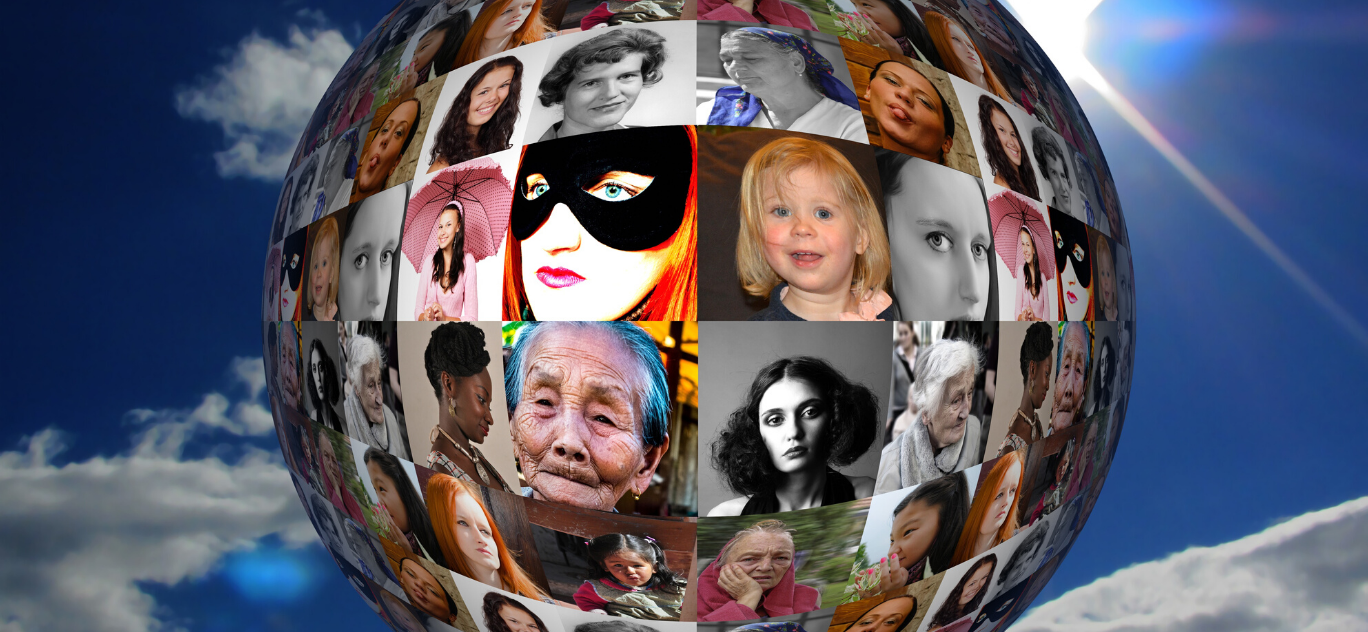
The ethics of face recognition technology have been in question for years. However, there has been little to no movement in the enactment of official laws barring the technology. In fact, numerous law enforcement agencies actively use face recognition tech today. As an example, the INTERPOL website has an entire section that details how they use facial recognition to catch fugitives, via a global database of images from 160 countries.
面部识别技术的伦理学已受到质疑多年。 但是,颁布禁止该技术的官方法律几乎没有动静。 实际上,当今许多执法机构都在积极使用面部识别技术。 例如, 国际刑警组织的网站上有一个完整的部分,详细介绍了他们如何通过160个国家/地区的全球图像数据库使用面部识别来捕捉逃犯。
However, according to IBM, this technology may not yet be ready for use in law enforcement. “We believe now is the time to begin a national dialogue on whether and how facial recognition technology should be employed by domestic law enforcement agencies,” says Krishna. “Artificial Intelligence is a powerful tool that can help law enforcement keep citizens safe. But vendors and users of Al systems have a shared responsibility to ensure that Al is tested for bias, particularity when used in law enforcement, and that such bias testing is audited and reported.”
但是,据IBM称,该技术可能尚未准备好用于执法。 克里希纳说:“我们认为现在是时候开始关于国内执法机构是否应该使用面部识别技术以及如何使用面部识别技术的全国性对话了。” “人工智能是一种强大的工具,可以帮助执法机构保护公民安全。 但是,Al系统的供应商和用户负有共同的责任,即确保在执法中使用Al时要对偏差,特殊性进行测试,并且要对这种偏差测试进行审核和报告。”
现代人脸识别算法中的偏差 (Bias in Modern Face Recognition Algorithms)

In December of 2019, The National Institute of Standards and Technology (NIST) published a study which found large variations in accuracy across numerous contemporary face recognition algorithms.
2019年12月,美国国家标准技术研究院(NIST)发表了一项研究,发现众多当代人脸识别算法的准确性差异很大。
误报 (False Positives)
A false positive is when the system says that a face matches an entry in the database, when in fact they are not of the same person. The biggest glaring issue was that false positive rates were much higher among those of African and Asian descent. Oppositely, they were lowest among Eastern Europeans. The study found that “This effect is generally large, with a factor of 100 more false positives between countries.”
误报是指系统说一张脸与数据库中的某个条目匹配,而实际上他们不是同一个人。 最大的明显问题是,非洲人和亚洲人后裔的假阳性率要高得多。 相反,它们在东欧人中最低。 研究发现,“这种影响通常很大,国家间的误报率高100倍。”
Additionally, they found that false positives were higher in faces of women, the elderly, and young children.
此外,他们发现女性,老人和幼儿的面部假阳性率更高。
假阴性 (False Negatives)
A false negative is when the system says that a face does not match any entries in the database, when in fact it is in the database. This is especially dangerous at airports or border crossings. If the system checks individual faces against a criminal database, it could potentially allow dangerous individuals past a security check.
假否定是指系统说人脸实际上与数据库中的任何条目都不匹配时。 这在机场或边境口岸特别危险。 如果系统根据犯罪数据库检查个人面Kong,则可能允许危险个人通过安全检查。
The NIST study found that false negatives were highest among Asians and American Indians and lowest among Caucasians and African Americans.
NIST研究发现,假阴性在亚裔和美洲印第安人中最高,而在白人和非裔美国人中最低。
IBM的面部识别技术抵制将如何影响整个行业? (How Will IBM’s Boycott on Face Recognition Tech Affect the Industry?)

IBM has been at the forefront of machine learning development for a long time. Their natural language processing system, IBM Watson, is regarded as one of the best question-and-answer systems in the world. Aside from NLP, IBM has also done impressive work in Computer Vision with Watson Visual Recognition. Their advancements have garnered much respect in the AI community, and as a result their voice carries weight.
IBM长期以来一直处于机器学习开发的最前沿。 他们的自然语言处理系统IBM Watson被认为是世界上最好的问答系统之一。 除了NLP之外,IBM还通过Watson Visual Recognition在计算机视觉方面做了出色的工作。 他们的进步在AI社区中赢得了广泛的尊重,因此他们的声音具有分量。
IBM姿态对面部识别的积极影响 (Positive Impact of IBM’s Stance on Facial Recognition)
When such a large company takes a strong position on facial recognition, it is bound to make waves. In fact, IBM’s decision already seems to be causing a domino effect in the industry. Following IBM’s announcement, Microsoft made an announcement of their own saying they are halting sales of facial recognition technology to American police departments.
当这么大的公司在人脸识别方面占据重要位置时,势必会掀起波澜。 实际上,IBM的决定似乎已经在业界引起了骨牌效应。 在IBM宣布这一消息之后, 微软发表了自己的声明 ,称他们将停止向美国警察部门销售面部识别技术。
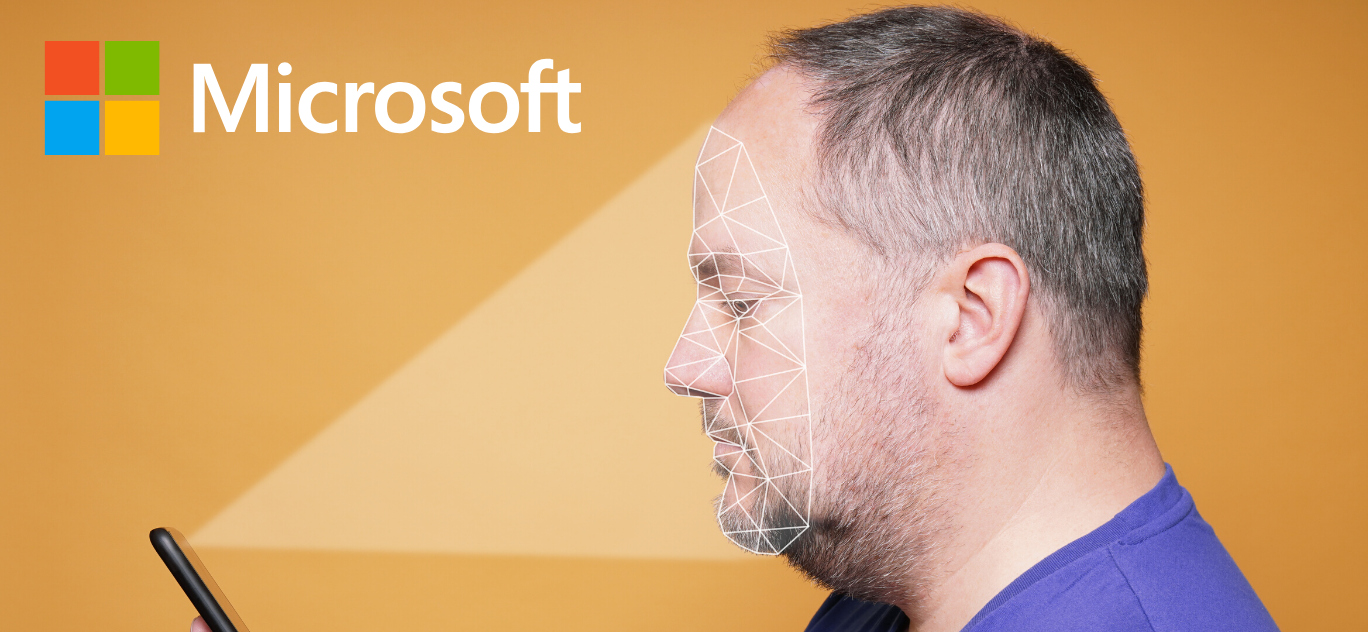
On the other hand, other companies may take advantage of IBM halting facial recognition development. There is now more room in the market for other companies and startups to move in. The worst case scenario is that nothing changes. Companies might continue developing face recognition algorithms to sell to law enforcement agencies, without worrying about the consequences.
另一方面,其他公司可能会利用IBM暂停面部识别开发。 现在市场上还有其他公司和初创公司可以进入的空间。最坏的情况是什么都不会改变。 公司可能会继续开发面部识别算法,以出售给执法机构,而不必担心后果。
Ideally, other developers will start investing more time and money to ensure that their algorithms are free of bias. Hopefully, more companies will take a step back to study the effects of emerging technologies before releasing them.
理想情况下,其他开发人员将开始投入更多时间和金钱,以确保他们的算法不受偏见。 希望更多的公司在发布新兴技术之前会退后一步来研究它们的影响。
IBM’s CEO believes that the biases that exist in modern facial recognition algorithms warrant a complete halt of their usage. They are calling on governments and vendors to ensure that their algorithms are free of bias before being implemented in vital areas of society, such as law enforcement.
IBM首席执行官认为,现代面部识别算法中存在的偏见可确保完全停止使用它们。 他们呼吁政府和供应商确保在算法等社会重要领域实施算法之前,避免算法偏差。
Many AI technologies are emerging faster than governments are able to regulate. Hopefully, IBM’s stance paves the way for other large tech companies and startups to think about ethics before advancement.
许多AI技术的兴起速度超过了政府的监管能力。 希望IBM的立场为其他大型科技公司和初创公司在进步之前考虑道德问题铺平了道路。
For more articles on facial recognition, check out:
有关面部识别的更多文章,请查看:
Please be sure to follow me on Medium and Twitter.
Original article reposted with permission.
原始文章经许可重新发布。
Gain Access to Expert View — Subscribe to DDI Intel
获得访问专家视图的权限- 订阅DDI Intel
ibm语音识别




 已为社区贡献1条内容

所有评论(0)